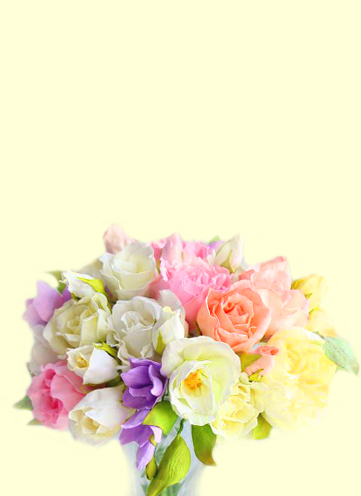
Protect your blooms from wilting with these 3 easy approaches
Posted on 13/08/2025
Protect Your Blooms from Wilting with These 3 Easy Approaches
Are your flowers losing their vibrant charm all too quickly? It's frustrating to put time and care into cultivating stunning blooms, only to watch them wilt and fade. If you're searching for practical ways to keep your flowers looking fresh, healthy, and resilient, look no further. In this comprehensive guide, discover three easy, science-backed approaches to protect your blooms from wilting and enjoy longer-lasting beauty--indoors and out!
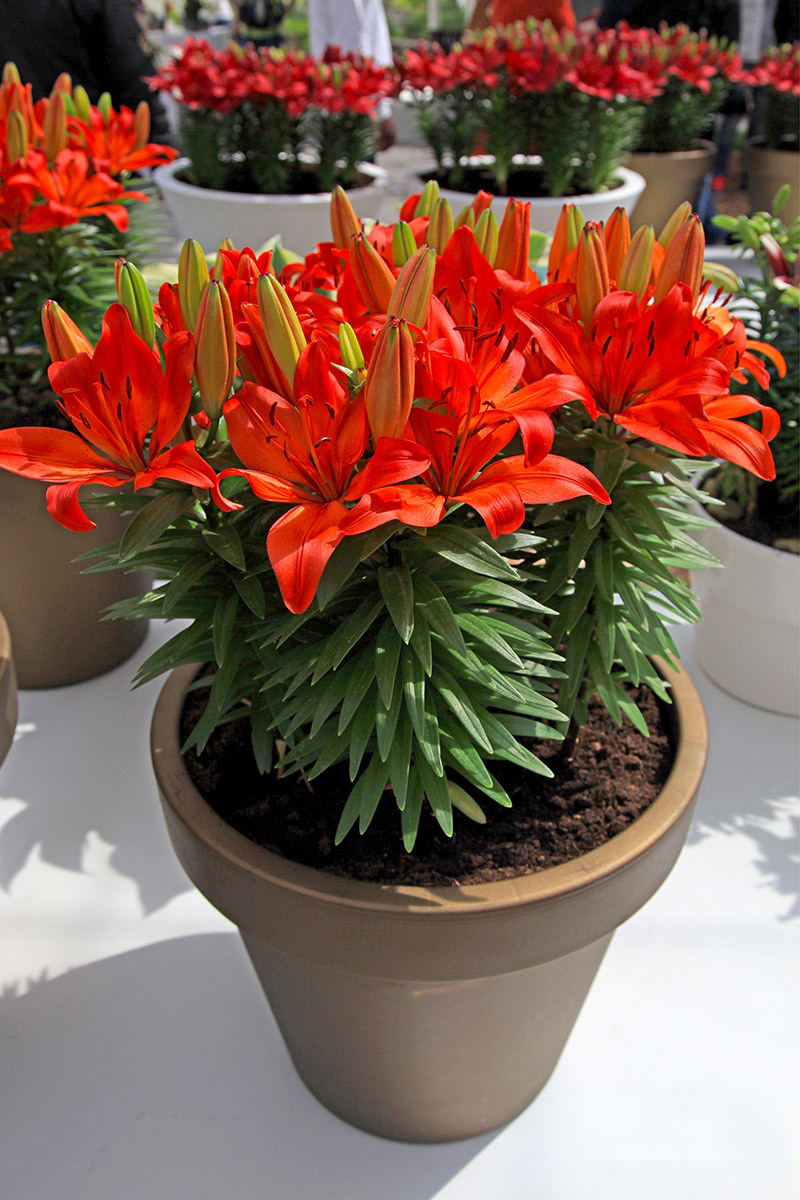
Why Do Blooms Wilt? Common Causes Explained
Before exploring the top methods to prevent wilting, it's helpful to understand what causes flowers to lose their perkiness. Wilting is a biological response that often signals stress, environmental imbalance, or insufficient care. Common reasons flowers wilt include:
- Dehydration: Most blooms are composed primarily of water. Without adequate hydration, flowers lose turgor--the internal pressure that keeps petals firm and upright.
- Excessive Heat: High temperatures accelerate water loss, leading to rapid wilting and fading.
- Pest and Disease: Fungal, bacterial, or insect infestations can compromise stem integrity and sap vital nutrients, leaving blooms limp.
- Poor Nutrition: Blooms rely on a steady supply of nutrients. Deficiencies quickly manifest as drooping or discolored petals and leaves.
- Physical Injury: Damaged stems or petals provide entry points for pathogens, hastening the wilting process.
Now that you know what causes flowers to wilt, let's focus on effective strategies to protect your blooms from wilting.
1. Master Watering Techniques for Optimal Hydration
Proper watering is your first, best defense against wilting. Hydration is the lifeblood of healthy blooms, both in the garden and in vases indoors. Yet, both under-watering and over-watering can spell trouble. Here's how to strike the perfect balance:
Outdoor Flowers
- Early Morning Watering: Water your garden blossoms in the early morning, when temperatures are cooler and evaporation rates are lower. This allows blooms to absorb moisture and fortify themselves for the day ahead.
- Deep, Infrequent Watering: Give your flowers a thorough soaking less frequently, rather than light surface watering daily. This encourages deeper root growth and helps plants withstand drought stress.
- Mulch Matters: Apply a 2-3 inch layer of organic mulch (like bark or straw) around your flowers. Mulch regulates soil temperature, conserves moisture, and reduces the frequency of watering--further protecting your blooms from wilting due to dehydration.
- Avoid Wetting Foliage: Wet leaves provide a breeding ground for fungal disease. Target the soil, not the petals or leaves, to keep your blossoms perky and robust.
Cut Flowers Indoors
- Use Lukewarm Water: When you first arrange cut flowers, fill the vase with lukewarm--not cold--water. This helps stems take up moisture more efficiently from the start.
- Keep Water Fresh: Change the vase water every two days. Stale water harbors bacteria that can block stems and accelerate wilting.
- Trim Stems Regularly: Every time you change the water, cut 1/2 inch off the ends of stems at a diagonal. This increases surface area for water uptake and prevents blockages.
Bonus Tip: For especially thirsty varieties--like hydrangeas--try submerging entire flower heads in cool water for 30 minutes to rehydrate limp blooms quickly!
2. Provide Ideal Growing Conditions for Healthy, Long-Lasting Flowers
Well-hydrated flowers are only part of the equation. Creating the right growing environment is essential for bloom longevity and resilience to stress. Here are expert ways to protect your blooms from wilting through environmental management:
Sunlight--Goldilocks Your Exposure
- Know Your Plants: Some flowers--like sunflowers and zinnias--thrive in full sun, while others--such as impatiens--wilt under intense rays. Always match the plant to the right light condition.
- Shield From Harsh Midday Sun: Consider temporary shade cloths or planting in areas with dappled afternoon sun. Protect tender blooms from wilting due to sunburn and heat stress.
Maintain the Right Humidity
- Indoor Blooms: Central heating and air conditioning can dry the air--an often-overlooked culprit in wilted flowers. Place vases away from vents, and use a room humidifier if necessary.
- Outdoor Flowers: Mulching, as mentioned above, helps retain soil moisture. Grouping plants closer together can also raise local humidity levels, reducing water loss from leaves.
Soil and Fertilization
- Test and Improve Your Soil: Healthy soil is the foundation of robust blooms. Use compost or slow-release organic fertilizers to provide a steady supply of nutrients.
- Avoid Over-fertilization: Too much fertilizer encourages lush growth but weakens stems, making blooms more likely to wilt or snap in wind and rain.
Remember: Consistent care and the right environment yield healthier plants with longer-lasting, more resilient flowers.
3. Practice Smart Arranging and Defensive Care for Maximum Vase Life
For those who love to display fresh-cut flowers, employing smart arrangement techniques can dramatically increase the lifespan of your blooms and minimize premature drooping. Here are expert tips to keep cut flowers fresh and prevent them from wilting rapidly:
Sanitize Everything
- Clean Vases Thoroughly: Before adding flowers, scrub vases with hot, soapy water to remove residual bacteria.
- Rinse Tools: Use alcohol or a bleach solution to disinfect scissors or knives before trimming stems.
Remove All Submerged Leaves
- Leaves below the waterline decompose quickly, feeding harmful bacteria that clog stems and inhibit water uptake.
Feed Your Blooms--DIY Flower Preservative
- Commercial flower food contains a mix of sugar (food), biocides (to deter bacteria), and acidifiers (improve water uptake).
- Homemade Solution: Add 1 teaspoon sugar, 1 teaspoon bleach, and 2 teaspoons lemon or lime juice to each quart of water for a budget-friendly preservative.
Optimally Position Your Arrangements
- Avoid Direct Sunlight and Heat: Place floral arrangements in a cool spot, away from windows and electronics.
- Keep Away From Fruit: Ripening fruit emits ethylene gas, which hastens flower aging and wilting.
Advance Care for Longer Life
- Mist Blooms Lightly: If the room is particularly dry, mist flower petals lightly once per day to prolong freshness.
- Quick Chilling: Before events, keep arrangements in a cool room or refrigerator (38-42?F). Just avoid placing them near fruits or vegetables!
Pro Tip: Some flowers, like tulips and daffodils, release sap that can harm neighboring stems in mixed bouquets. Soak these stems alone for a few hours before adding to the main arrangement to protect all blooms from wilting.
Bonus: Early Intervention for Reviving Wilted Flowers
Inevitably, even with your best efforts, some blooms may begin to wilt unexpectedly. But all is not lost! Here are tried-and-true revival methods to give flagging flowers a second chance:
- Re-Cut and Rehydrate: Trim the stems under water and place blooms in a fresh vase with preservative and clean water. This flushes out air bubbles and encourages renewed water uptake.
- Cool Down: Place wilting arrangements in a cool, shaded area for several hours to reduce heat stress.
- Revive by Soaking: For roses, hydrangeas, or gerbera daisies, immerse the entire flower (heads and stems) in a sink of cool water for 30-60 minutes. Gently shake off excess water and rearrange.
A flower that appears wilted may simply be temporarily dehydrated--with prompt action, you can often restore its beauty for days to come!

Frequently Asked Questions: How to Prevent Flowers from Wilting
What's the best way to water flowers to prevent wilting?
Deep, infrequent watering (for outdoor plants) and regular stem trimming and fresh water (for cut flowers) are the most effective practices. Always water at the roots and avoid splashing petals or leaves.
Why do my flowers wilt soon after cutting?
This usually results from blocked stems due to air bubbles or bacteria. Always use sharp, clean scissors and cut stems at an angle under water to maximize water uptake. Remove leaves below the waterline and change vase water regularly.
Can I revive wilted flowers?
In many cases, yes! Try re-cutting the stems, placing the blooms in fresh water with flower preservative, and chilling in a cool room. Soaking entire flower heads can also help perk up certain varieties.
Conclusion: Keep Your Blooms Thriving All Season Long
With these three easy approaches to protect your blooms from wilting, you can maintain fresh, vibrant flowers for much longer--whether they're growing in your garden or brightening your indoor spaces. By mastering hydration, tailoring your growing conditions, and practicing smart arrangement techniques, your blooms will stay healthy, beautiful, and resilient.
Remember, even a few small changes in your flower care routine can make a world of difference. Say goodbye to wilted petals and enjoy flourishing, long-lasting flowers!
Latest Posts
Discover the well-being magic hidden in vibrant blooms
Protect your blooms from wilting with these 3 easy approaches
The Ultimate Guide for Orchid Lovers
The floral fantasy: 5 flowers that define Valentine's Day
Dive Into the Symbolic Depths of Versatile Peony Flower Colors